

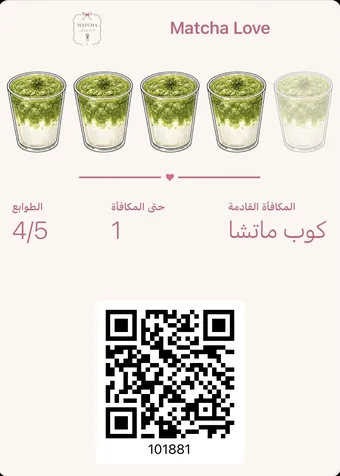


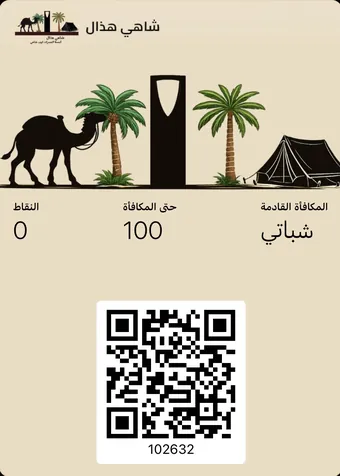
A loyalty points system gives a customer one or more points per riyal spent, redeemable later for value in the shop. What matters is not the number of points but the value of a single point: that figure decides what you actually pay, and it is the one you should fix at least a day before launch.
How do you set the value of a point?
Start from the end, not the beginning. Ask what share of a customer’s spend you want to give back, then derive the point value from that share. If you want 5% and you award one point per riyal, a point is worth five halalas — a hundred points redeem for five riyals.
| Target give-back | Point value | 100 points | Verdict |
|---|---|---|---|
| 2% | 2 halalas | 2 SAR | Conservative — the customer may not notice |
| 5% | 5 halalas | 5 SAR | The sane range for most shops |
| 10% | 10 halalas | 10 SAR | Generous — fine at launch, then trim |
| 20% | 20 halalas | 20 SAR | Dangerous — eats margin on every bill |
Note that these rates are calculated on the selling price. Your true cost is lower by your margin: at a 70% margin, a 5% give-back costs you only 1.5% of revenue when it is redeemed against your own product. Allow redemption as cash or as money off the bill, and you pay the full rate.
When are points better than stamps?
| Your situation | Best fit | Why |
|---|---|---|
| Near-fixed ticket (a cup, a haircut, a wash) | Stamps | Visits are worth the same, so counting visits is fairer and clearer |
| Variable ticket (restaurant, retail, pharmacy) | Points | Someone spending 300 does not deserve the same reward as someone spending 30 |
| Large, infrequent ticket | Cashback | Points accumulate so slowly that interest dies first |
| Consistent bill, fast visits | Points per visit | Staff never key in an amount — one tap at the peak |
Three mistakes that kill a points programme
- A redemption threshold that is out of reach If a customer must spend two thousand riyals to reach the first reward, they will not reach it — and you will carry a liability of points that will never be redeemed and never produced loyalty.
- An undeclared point value "You have 340 points" means nothing if the customer does not know what that is worth. Put the conversion on the card itself.
- Changing the value retroactively Devaluing points people already earned destroys trust in one move. If you must adjust, apply it only to points earned after the announcement date.
Frequently asked questions about loyalty points
How many points per riyal should I give?
One point per riyal is the clearest, because the customer can work out their balance without a calculator. Awarding ten points per riyal makes the numbers look bigger without changing what they are worth.
Should points expire?
Expiry protects your books from a liability that grows without a ceiling, but it angers customers when it arrives unannounced. If you use it, make the window at least a year and send a warning weeks before.
What give-back rate do customers expect?
Customers do not calculate a rate; they compare the reward to how much they spent. A reward arriving after five or six visits feels fair in most trades, while one needing twenty visits feels remote whatever its percentage.
Can I combine points and stamps?
Not on the same card. Two systems on one card confuse the customer and complicate your accounting. If you want both, issue two separate cards for two different customer groups.